Saturday, July 08, 2006

Jean-François Escoulen visits Central Ohio Woodturners

Jean-François Escoulen is here in Columbus, Ohio for the next week. He began his visit with an all-day demonstration for Central Ohio Woodturners, which was held at Wood Werks in Gahanna. We had visitors from the North Coast Woodturners and the Ohio Valley Woodturners
Guild.

Jean-François began his demonstration with a small trembleur, which was done between centers.


Here is the small trembleur he turned out of hard maple. This was done by turning a number 2 morse taper for the headstock, which was jammed into the headstock. The other end was initially supported by the tailstock. He worked the topmost 2 inches first and turned it off the tailstock end. From that point on the trembleur was supported by his right hand as he used the bedan or spindle gouge in his left hand.
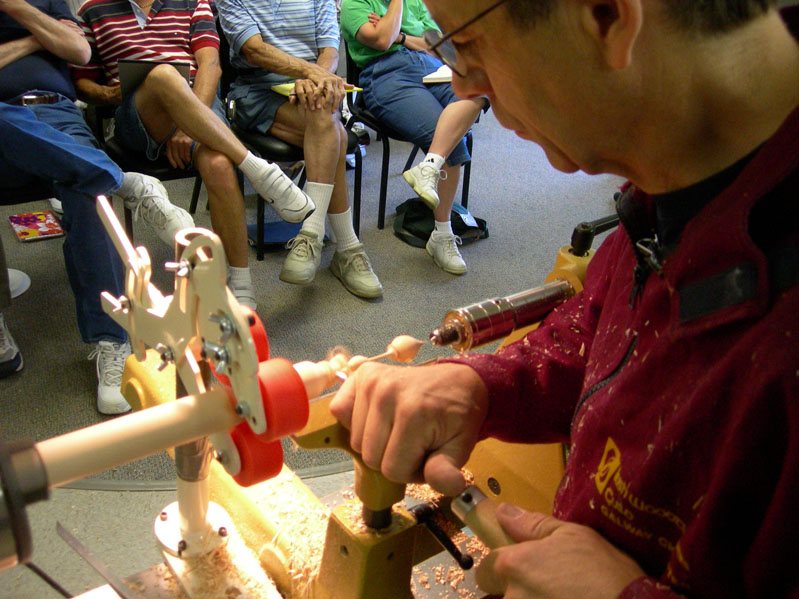


The second project of the day was a long trembleur. This needed a spindle steady rest, first a one-way style one with wheels and then with the addition of a string steady rest.

The piece was held with pin jaws in a one-way stronghold chuck. Jean-François again worked two inches at a time from top to bottom.
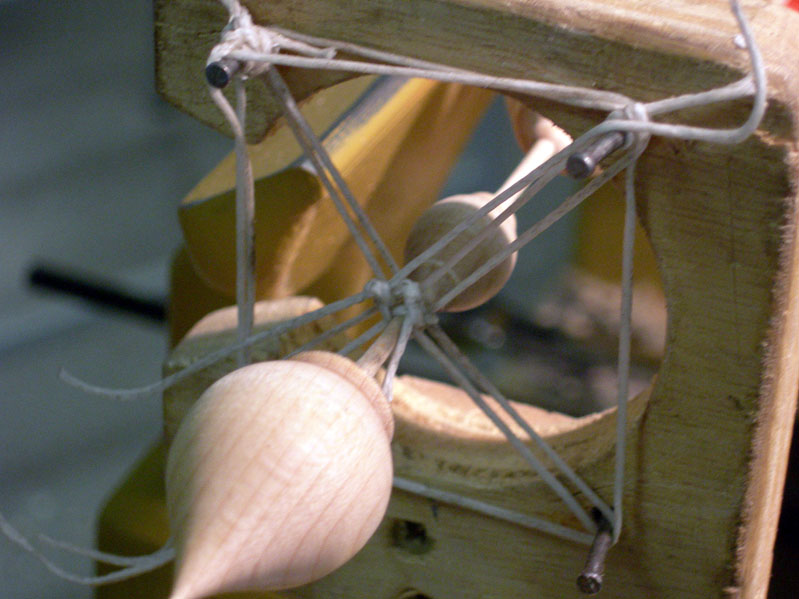


Here is the string steady rest all set up and ready to go. The string is first tied off in the upper left hand corner and then wound around the lower right hand nail, then over to the upper right hand nail, down to the lower left corner and tied off at the upper right hand corner. The strings are tied together in the middle from side-to-side and top-to-bottom. The steady rest is shown in more detail below.


The top part is attached in such a way that it can be pivoted out of the way as the trembleur is removed from the lathe. Jean-François told us about the trembleur he made that was as tall as his height. This one required 24 string steady rests and two people to remove it from the lathe - one to cut the strings and move the steady rests away from the spindle and the other to slide a glass tube along the length to capture and support the trembleur.
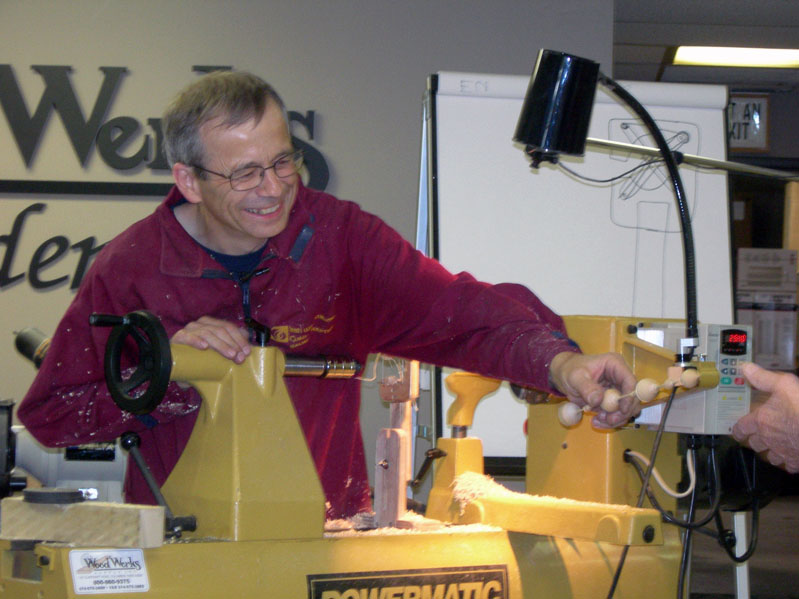


"Here - catch it!" We did get to look at each of these turnings closely as they were passed around the room.
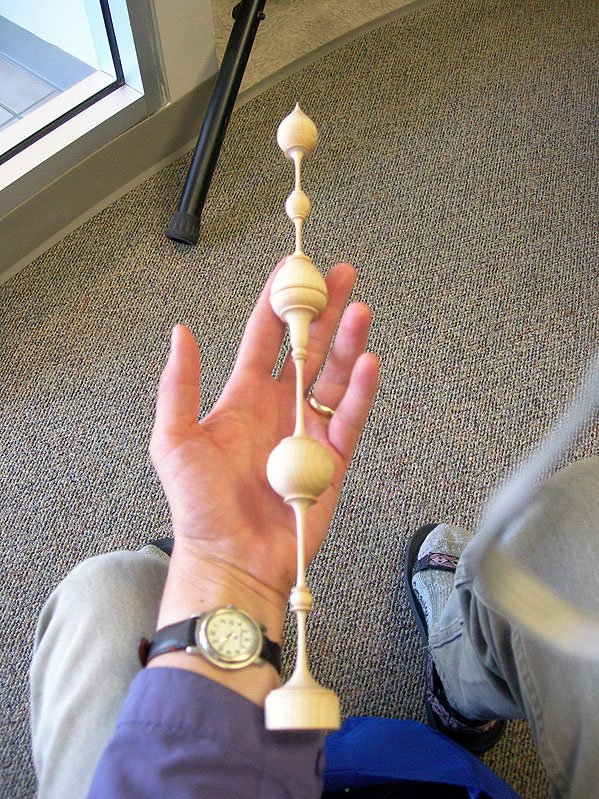


Here's the one from today's demonstration. Jean-François kept apoligizing for the poor quality of his demo pieces, but I think everyone was suitably impressed by his work.

Jean-François told us that he thinks practicing on trembleurs is a good way to improve one's turning skills. "Everything else is easy."
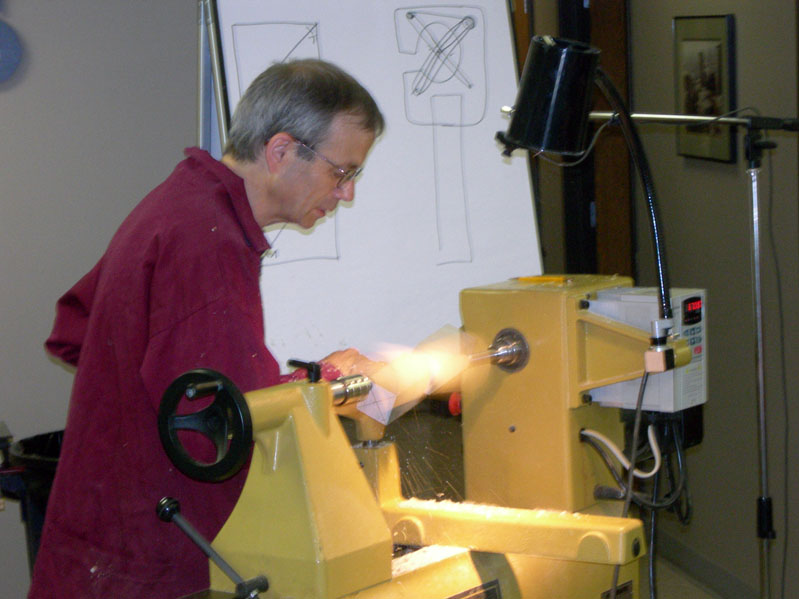


Next it was on to multi-axis turning; first, between centers and then with the Escoulen chucks.

This one is on three centers. Looks pretty wild as the extreme ends are between centers. He started this one in the middle on axis 1, then did axis 2, axis 3, and then back to axis 1.
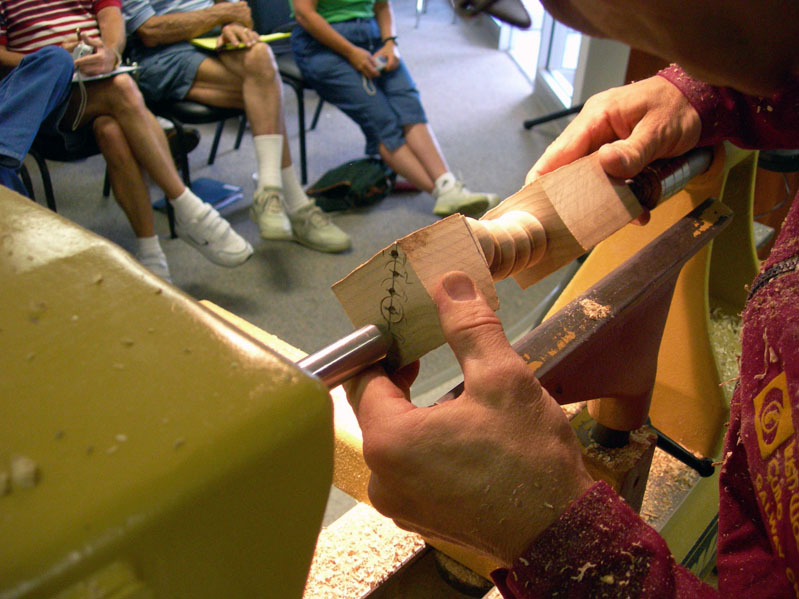


This one had seven axes, and it was started at one end and progressed along each axis to the other end.
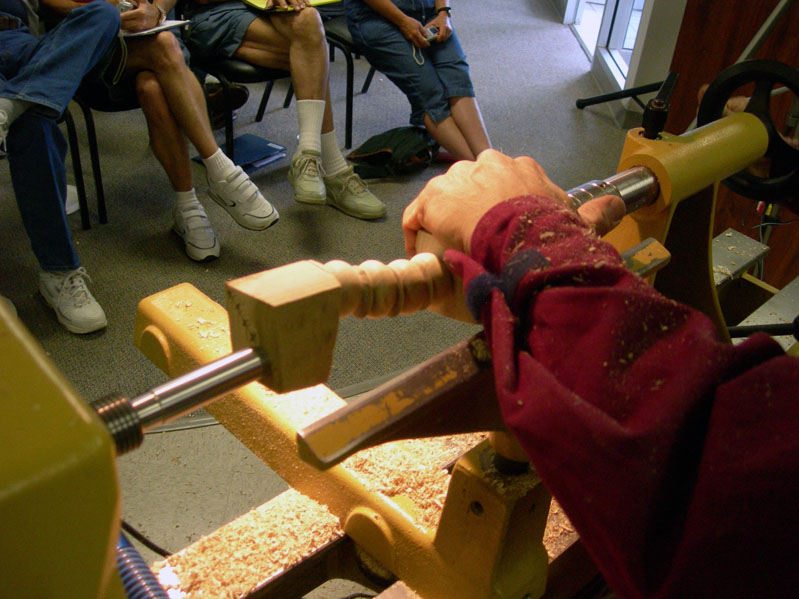


Setting the tool rest is pretty critical as is working with tools in a long handle since the cutting edge is far off the tool rest for most of the cuts.


As the piece is spinning, the shadow lines are the areas where the shape will emerge. I'm looking forward to taking Jean-François' five-day hands-on class this week. I can't wait to try this technique.
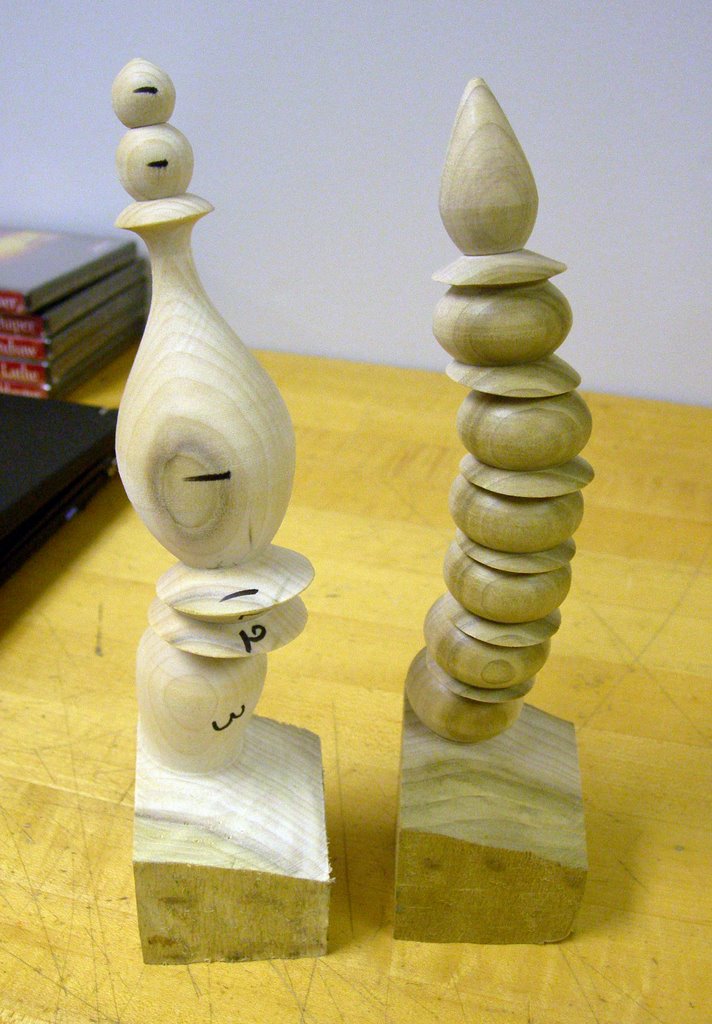


Here are the two multi-axis turnings that were done between centers. Jean-François numbered the one on the left so we could see which axis was used for each section.

"I numbered them in French, but you should be able to read them," he said.
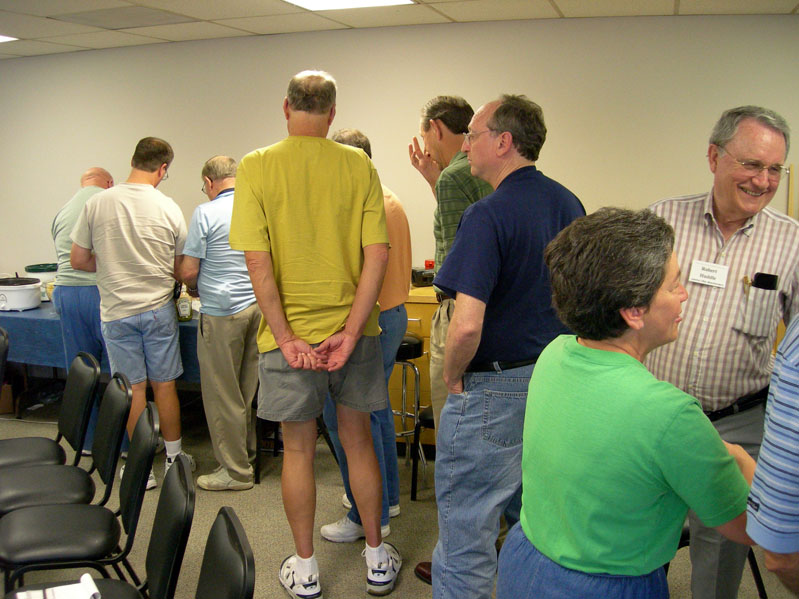


We had a lunch break after the between centers session for the morning.
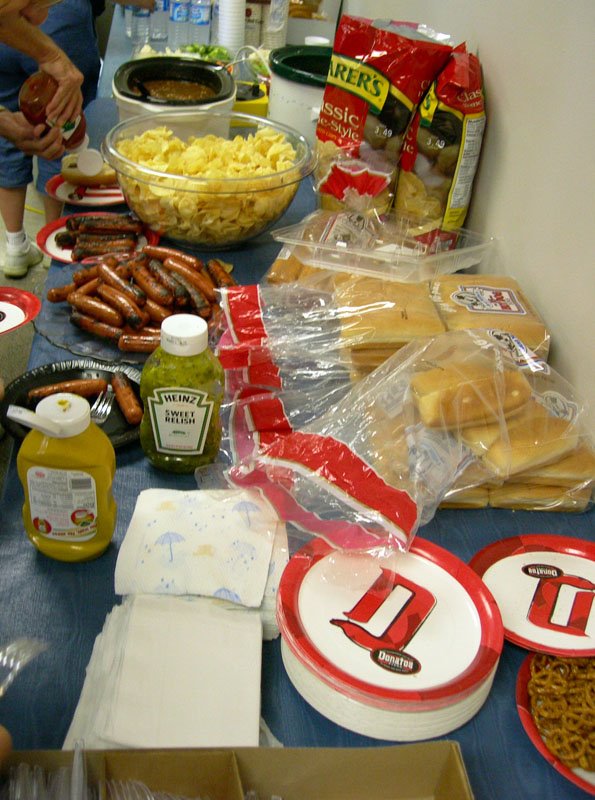


Bar-b-que on a nice summer's day, combined with an excellent woodturning demonstration. What could be better than that?


These guys looked happy.
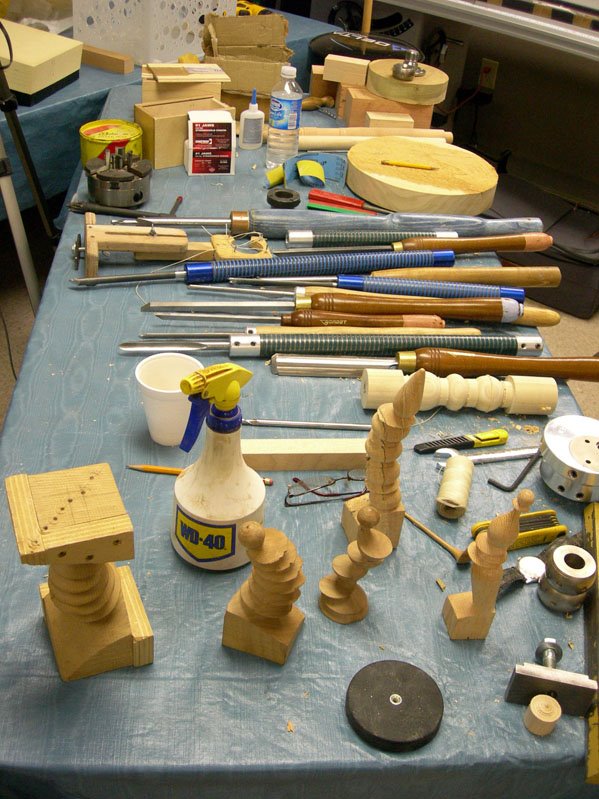


Here's Jean-François Escoulen's work table.
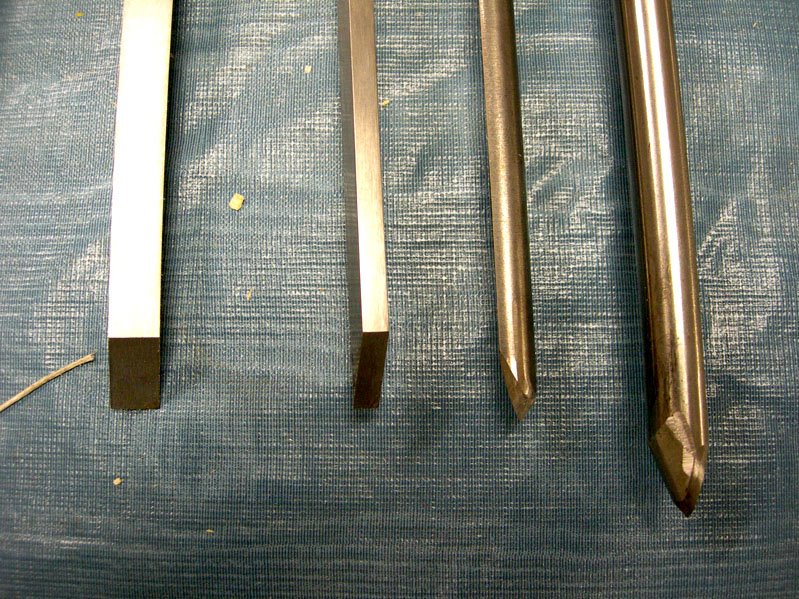


Here are some of the tools he used: two different sizes of bedans and spindle gouges. Notice the double bevel on the gouges? That's to help with the tight corners on multi-axis turnings. The bedans are used for most of his cuts - another technique I'm looking forward to learning this coming week.


This project is a multi-axis spoon. He's using his small ball chuck. I'll try to take some detail pics during the hands-on class to show the parts and how they're set-up for this type of work.


Hollowing out the bowl of the spoon is a bit of a challenge with the stem spinning around. The spoon is an end-grain turning, so the cuts are from the center toward the outside for the hollowing process. That makes it a bit easier to deal with the stem.


Here's the finished spoon.


The last project of the day done between centers was one of his classic multi-axis boxes. This was really fun to watch.
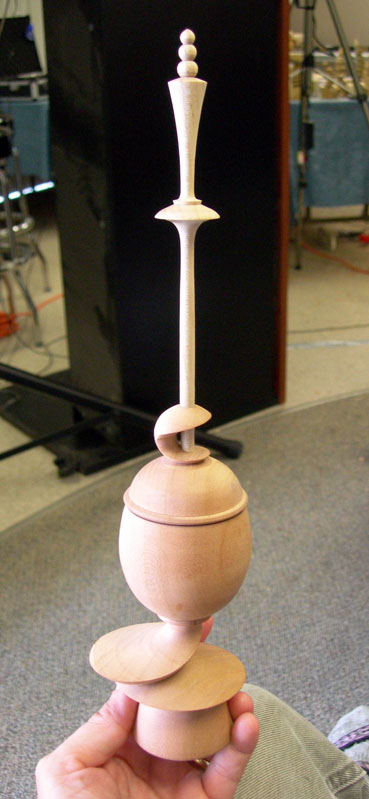


Jean-François apologized for how thick the finial is, but he was limited by his drill bit size. He had several offers to take that ugly box off his hands. . .
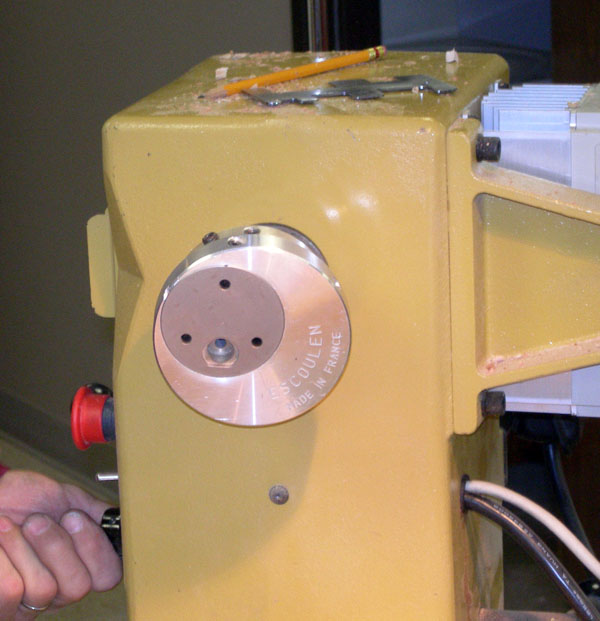


The last hour of the demonstration focused on multi-axis face-plate turning. Jean-François has also designed a couple of chucks for this type of work. The axis can be changed from side-to-side and front-to-back. The ball part of the chuck is threaded onto the headstock rather than for holding the wood.
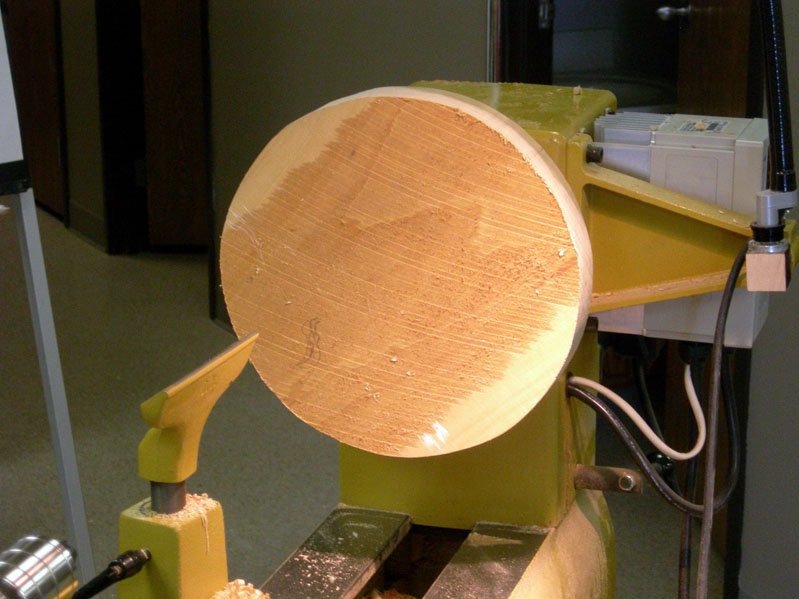


The project starts out on center and looks like any regular ol' platter.
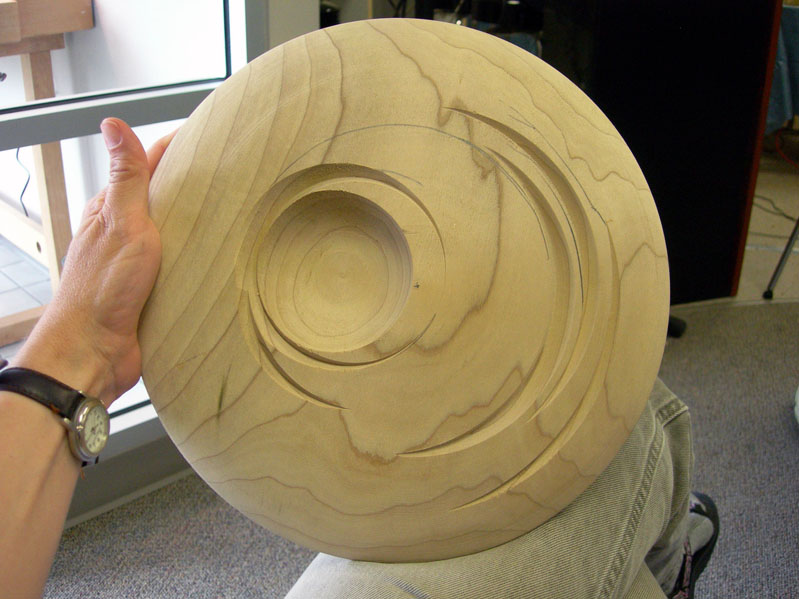


The bowl part of it is turned off-center and then the grooves are made by changing the axis front-to-back. Lots of possibilities come to mind with this technique, but it's probably not something I will be exploring anytime soon.

I'll try to take a lot of pictures this week and update the blog as I have time.

Thursday, July 06, 2006

Home again

Wow - that vacation sure flew by. We arrived home today - a little worn out from getting up at 3 a.m. to catch an early flight. I spent the last hour of my flight time today reading Shakespeare Sonnets - trying to come up with some ideas for titles and projects. The fun thing about reading Shakespeare was the translations that were provided side-by-side in the edition I recently purchased. Some of the sonnets don't translate well, but some are pretty insightful and relevant to today's society. I only made it through a couple dozen, so it will take me a couple of weeks to get through the volume.

Monday, July 03, 2006

Columbia River Gorge

One afternoon of our vacation was spent in driving along the Columbia River Gorge on the old Highway that starts at Troutdale, Oregon. It's a windy, twisty kind of road. It's currently under construction, so it's also very bumpy. One of the first scenic stops is at Crown Point.

I purchased a Woodcentral hat from Ellis Wallentine at the AAW symposium. So, I'm starting a series of hat photos for my blog. This is the lookout view toward the gorge as seen from the west.


Our first walk was at Bridal Veil Falls. It's 2/3 mile loop, down from the highway to the falls. The highway passes over the top of the fall. Of all the stops on the old highway, this always seems to be the least crowded. Maybe it's because you have to go downhill to see the falls and then back up to parking lot.


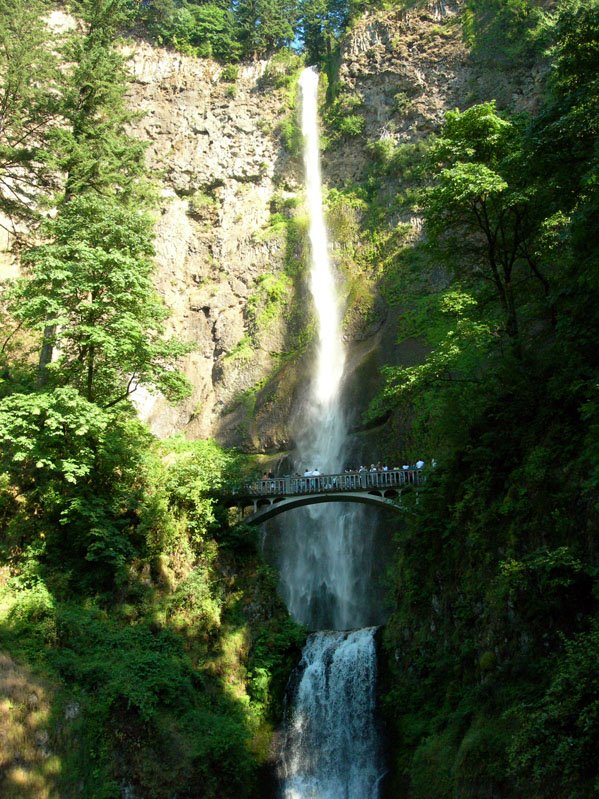
We couldn't park at the next several waterfalls, including Multnomah Falls, which is shown here to the left. We drove to the next on ramp for I-84 and came back to the freeway parking area, which was also full.

Thousands of tourists are here at any one time during the summer season. You can hardly move at the base of the falls, so we decided to take the walk up to the top of the falls. These falls are about 650 ft high and the trail is about a mile up to the viewpoint, which is just to the left of the top of the falls (at least the top that you can see here - the actual top is a little beyond what you can see in this image).


The trail is actually paved all the way to the top. I wondered about this until we had to back up to the inside wall as an emergency response team ran a gurney up the trail. Someone had fallen or done something stupid up above after we had come down from the viewing platform. That's quite an impressive scene to see when the rescue crew is jogging uphill with a stretcher on bicycle wheels.


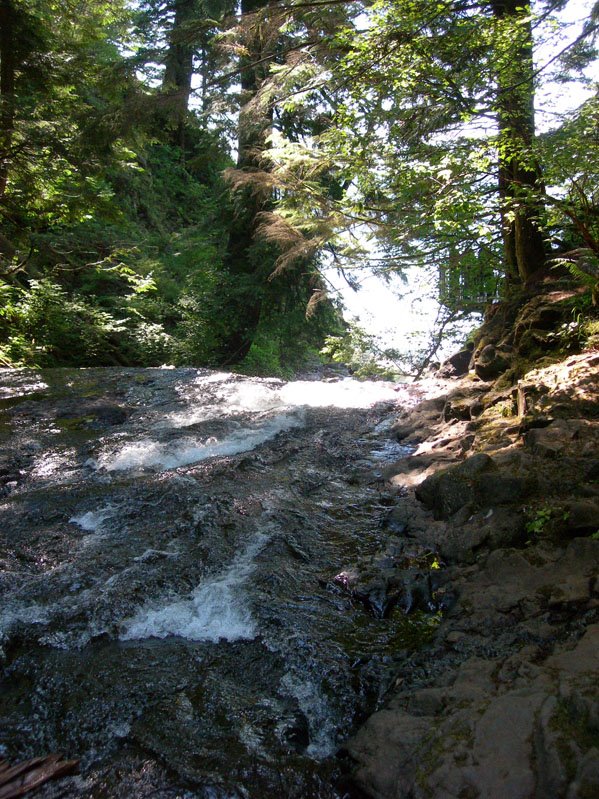
Here is the beginning of the falls - just a few meters upstream of the big drop off at the viewing platform.


Here's the view leading up to the edge of the falls. You can see the viewing platform on the right hand side.


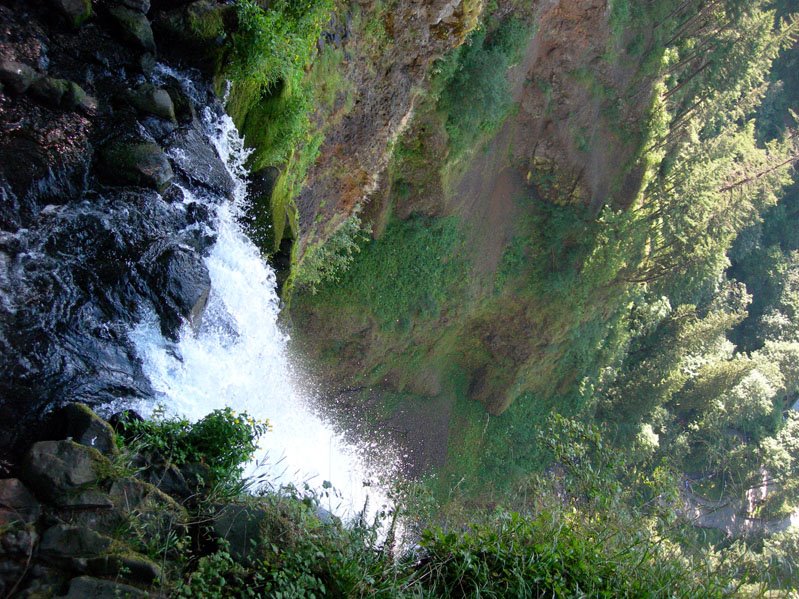
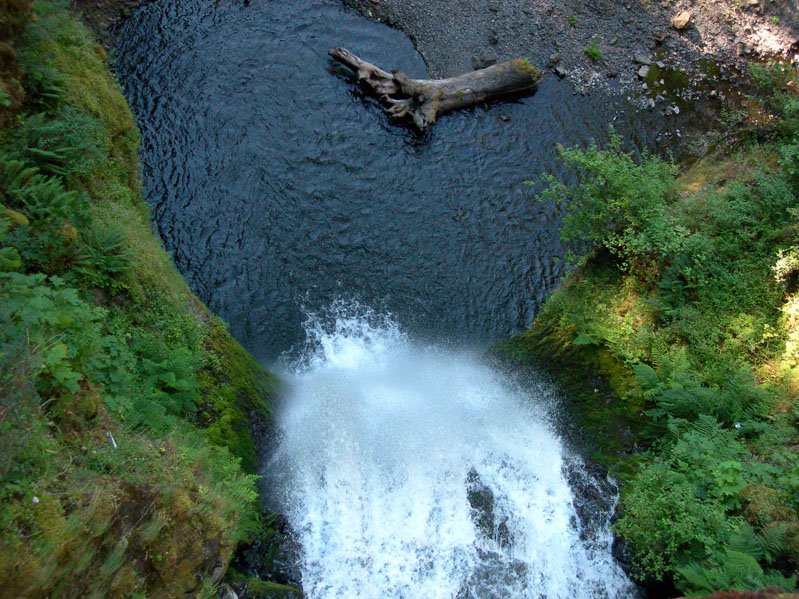
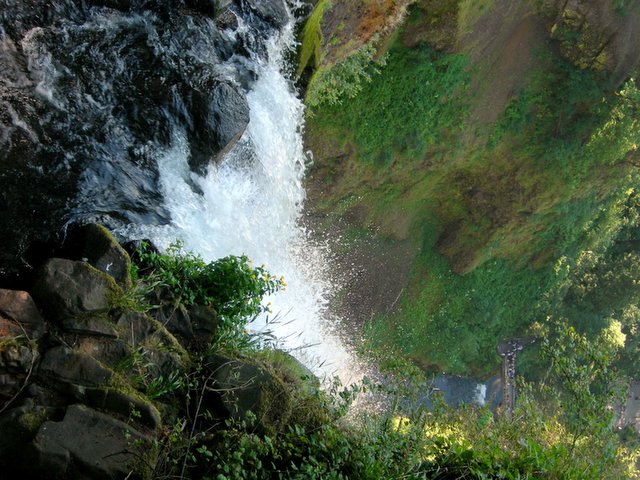
Here's the view over the top, looking down. It's a long way to the bottom.

Steve has longer arms than I do, so he was able to take a picture of this view that showed the bridge over the lower falls. Check out his blog to see it.


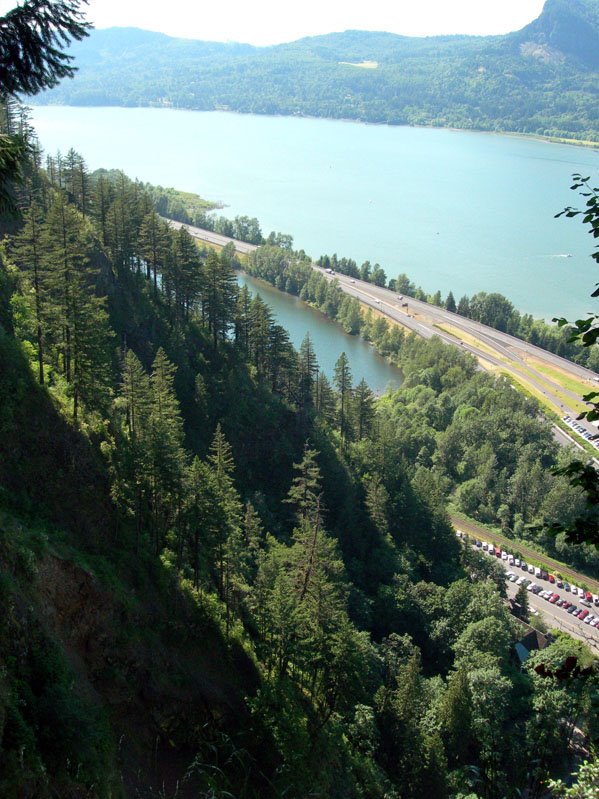
The view down to the Columbia River and the parking area for the falls.


If you look back to the first picture of Multnomah Falls, you'll see the picturesque bridge above the lower falls. It's always packed with people, including Steve (front, right) who's looking over the falls.


This is the view he was seeing.


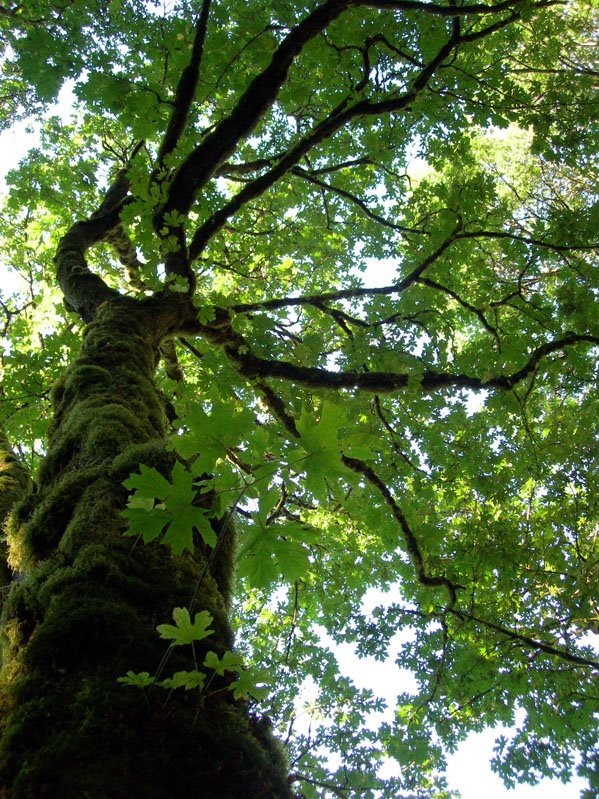
Here's my favorite woodturning tree - Big Leaf Maple. I love the wood of this tree for my leaf bowls. Look at all those burls growing on the bole of the tree!


Maidenhair ferns growing on the trail rocks.


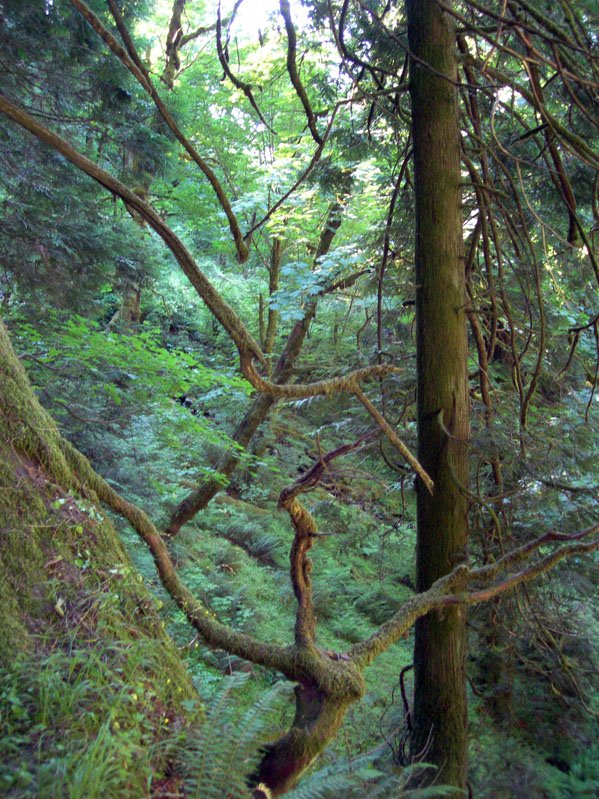
Typical scenery from the Pacific Northwest. I grew up in this kind of habitat - playing in the woods as a kid. I loved it!


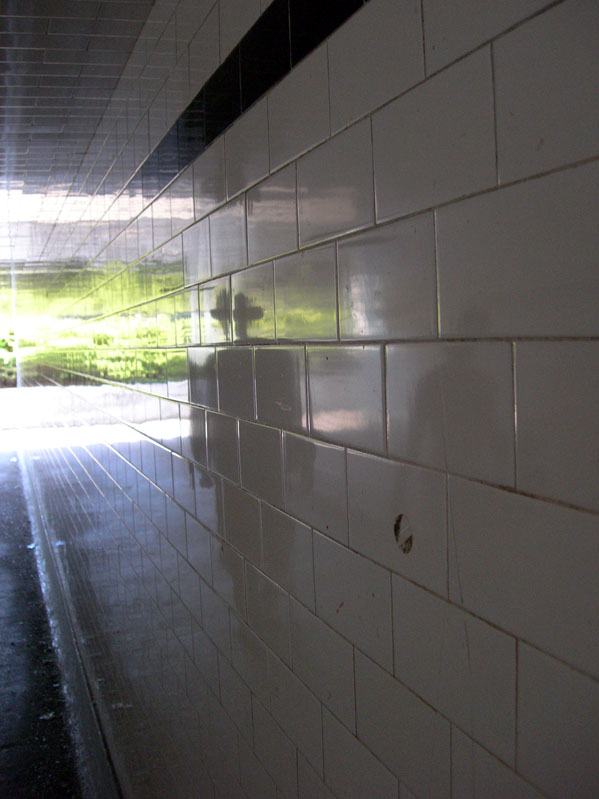
Steve's reflection on the wall of the pedestrian tunnel as we were returning to the car.

I have a few more days to spend in the Pacific Northwest. We're in Seattle, Washington for the rest of this trip. When I get home I will be taking a hands-on class with Jean Francois Escoulen, who will be visiting the Central Ohio Woodturners from July 8 - 14.

Friday, June 30, 2006

Recovering from two weeks of woodturning symposia

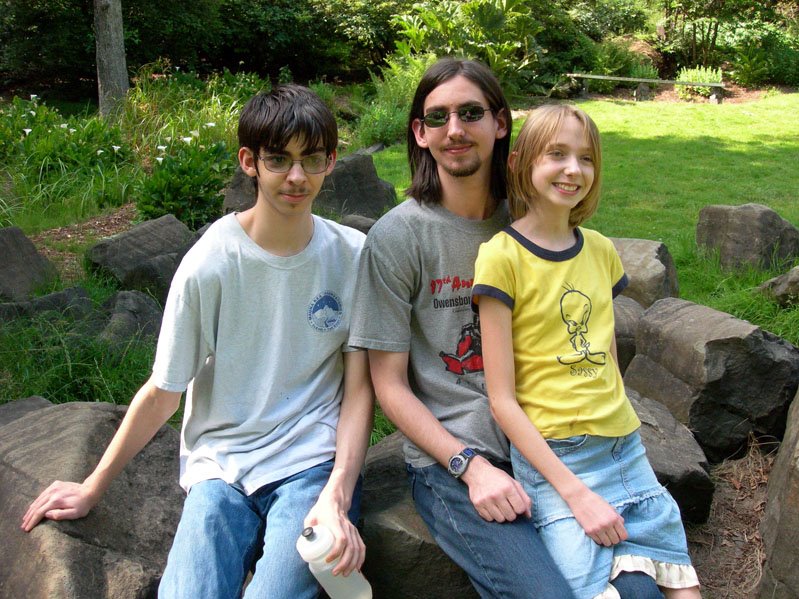
So, after the Utah and AAW symposia with their hectic schedule and lack of sleep, I stayed home one day and then headed off to the Pacific Northwest for our annual family trip. This year my oldest son, Michael, joined us for the first time in about 5 years time. He looks a bit different to my folks than he did last time he was here.


One of the nice things about vacation is that we do have time to spend time together as a family. My kids are growing up too fast with one of them already off on his own and away to university. Part of me screams, "Slow down! You're growing up too fast!" while the other part of me says "go, go, go!"


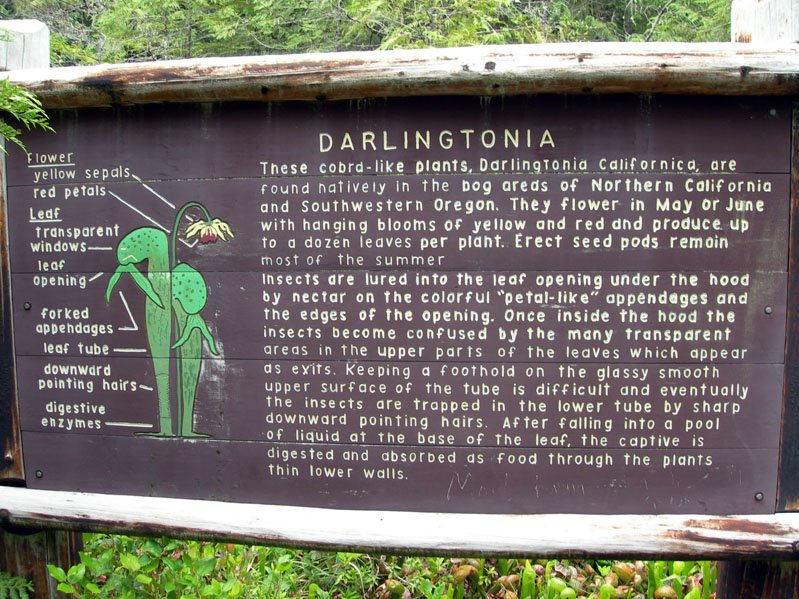
One of the things we like to do while in Oregon is to visit the coast. The Oregon coast is really wonderful with a lot of beautiful beaches to explore and some wonderful little waysides. We stopped at the Darlingtonia wayside to go take a look at these insectivorous pitcher plants.


Here's a sign to tell you all about them. Click on the image to get the larger view so you can read about them.


I'm also taking advantage of the relaxed pace of life for the next week and a half to do some more foliage and texture studies. This is the back side of a sisal leaf. I'm interested in the plants primarily because they serve as a host species to a parasitic plant I've studied in the past (Boschniakia). They do have interesting leaves, though.


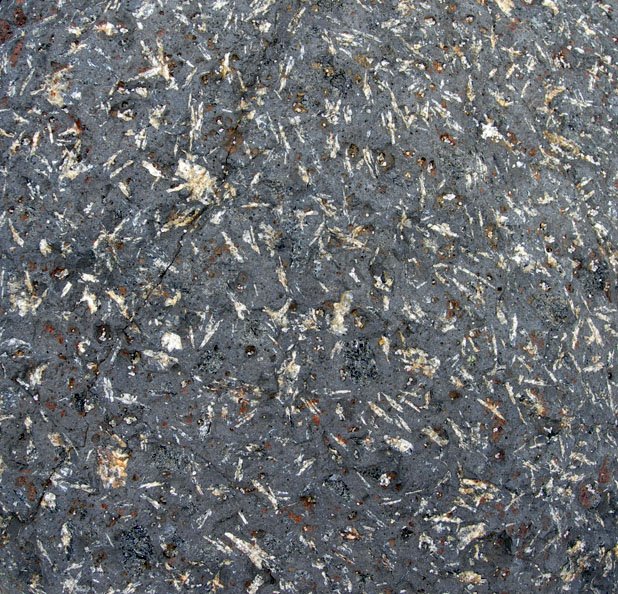
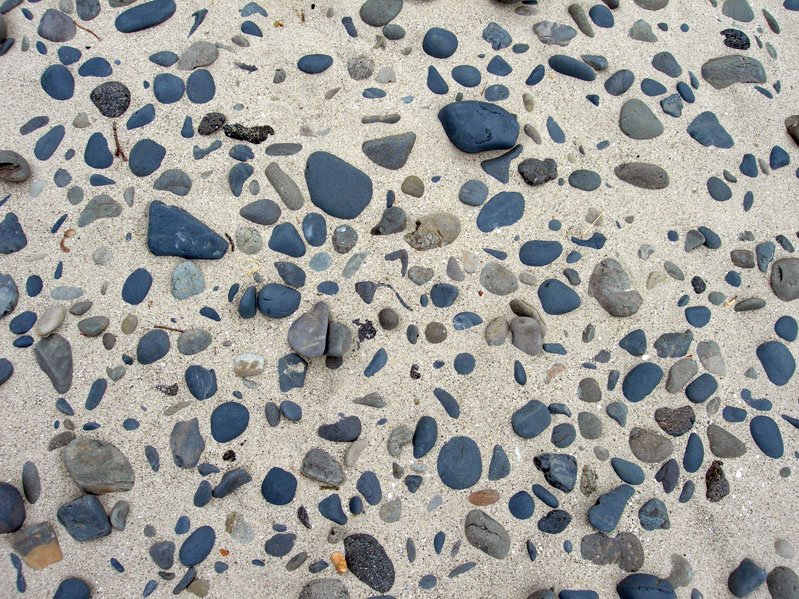
These rocks litter the beaches in Oregon. They look igneous to me - some crystals in a basalt matrix. Wish I knew more about geology.


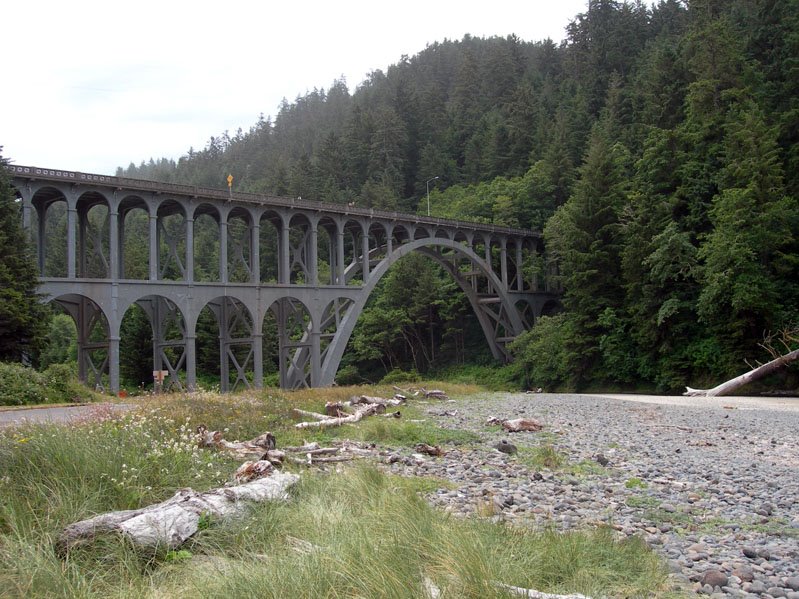
Here's where I found this interesting rock. The beach below Heceta Head Lighthouse. That bridge is for Hwy 101 - a windy, twisty road that follows the Oregon Coast. In the good ol' days, this road was a recipe for motion sickness. It's been worked over so much in the past three decades that it's rather tame to drive these days.


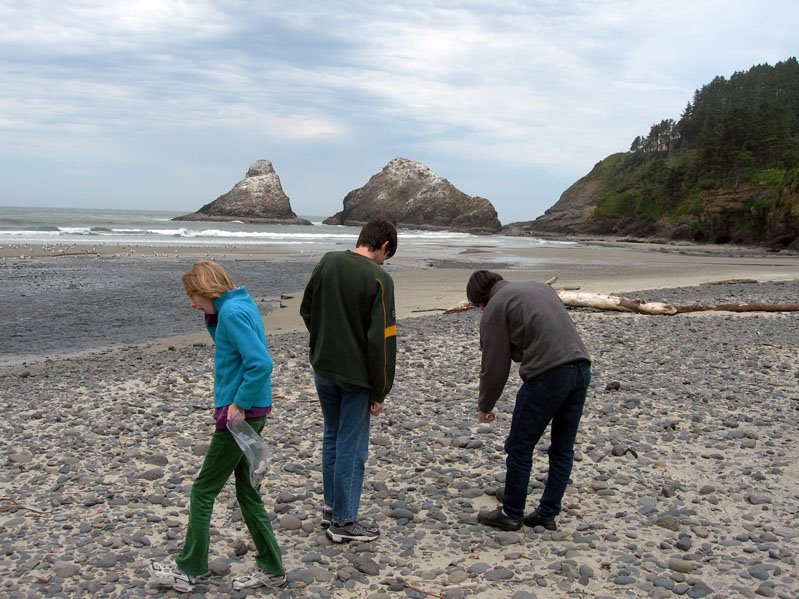
Here are my kids doing some beach combing at the same site. The rocks out there are covered in bird guano. One of the things we did on this day was to good birding and score a whole lot of new birds for our life lists. Birds at the coast we saw included: guillomot, western gull, common murre, Brandt's cormorant and Pelagic cormorant, brown pelicans, wilson's warblers, rufous hummingbirds, and a spotted towhee.


Rock collage on the beach.


We also visited the Newport Aquarium. This is a sea anenome anchored on the glass. The striations remind me of the vascular system in a ginkgo leaf.


This is a fiddler crab, I think. It was cooperating on the other side of the glass. It's how I feel after being cooped up in a car all day with my kids (as much as I love them!).


Here's my favorite bird at the aquarium - a tufted puffin in it's breeding plumage. This little guy sure put on a show for us. He popped into the water and did quite an elaborate display of splashing and preening right in front of me.

Monday, June 26, 2006

AAW Symposium - Saturday, 2006 Jun 24

I was very sleep deprived by the time Saturday rolled around. Too much fun in too short a time if you count the Utah Symposium of the previous week. Unfortunately, this translated into a two-day tension headache, which is very similar to a migraine. I'm feeling much better as of this posting - it helps to be home and away from big crowds. I also spent a few hours on Sunday doing some wood therapy - turning some bowls to take with me on vacation so that I can work on some demo pieces.

So, anyway, the last day of the symposium was pretty full, too.

I started the day by attending Giles Gilson's rotation on design. Giles did this as an excellent powerpoint presentation. I especially liked his use of a broom for a pointer. That lasted until someone donated a laser pointer for him to use.

The second rotation I went to was the instant gallery critique. This was held in a room, lecture style, which works much better than having everyone walk around the instant gallery. I'll take credit for planting this idea seed last year. It didn't work as well last year as this one, but there was still something not quite right about the critique this year. Maybe it had something to do with the way items were selected and discussed. Betty Scarpino, Hans Weissflog and Steve Loar were the presenters this year. Each was to select pieces to bring into the discussion. It seemed like Hans picked a lot of pieces he didn't care for and expected Betty and Steve to talk about them. Maybe I'm wrong, but that's the way it seemed to me. While I don't expect a critique to be a pat-on-the-back session for the artists, there is a way to do positive critiques that are critical without injecting negative comments such as, "the finish is too glossy," or, "I don't like it." I'll have to watch the proceedings DVD to see if I can determine what didn't seem right about this particular critique.


I didn't sit through the afternoon session, but did go around and snap some pictures. Here is Stuart Mortimer doing a presentation on his spiral work.


J. Paul Fennell showing how he does his texturing using a dremel tool. I felt sorry for Paul having lost his voice by the time this session came around. He was a trooper, though, and carried on as best he could.


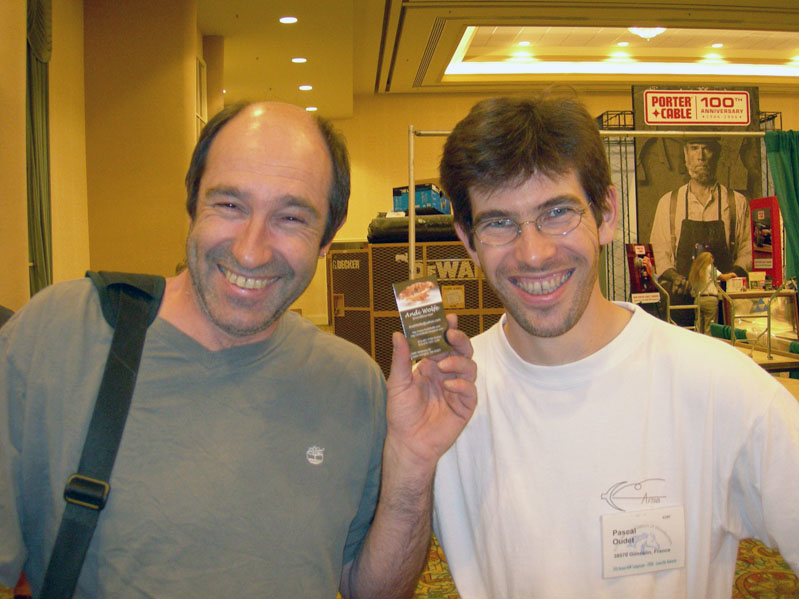
One more trade show snapshot. Here are Christophe Nancey (L) and Pascal Oudet (R) from France. Christophe was a demonstrator this year. He does interesting wood and pewter sculptural pieces. I previously posted a picture of Pascal's pieces in the instant gallery. I enjoyed meeting Pascal in person, and Christophe for the first time. Pascal is an active member of the World of Woodturners group, so I know him from our online community.
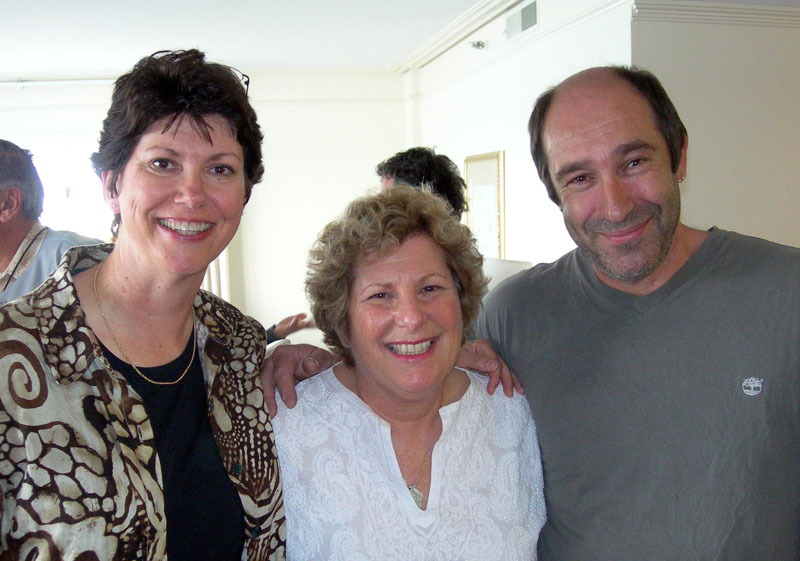


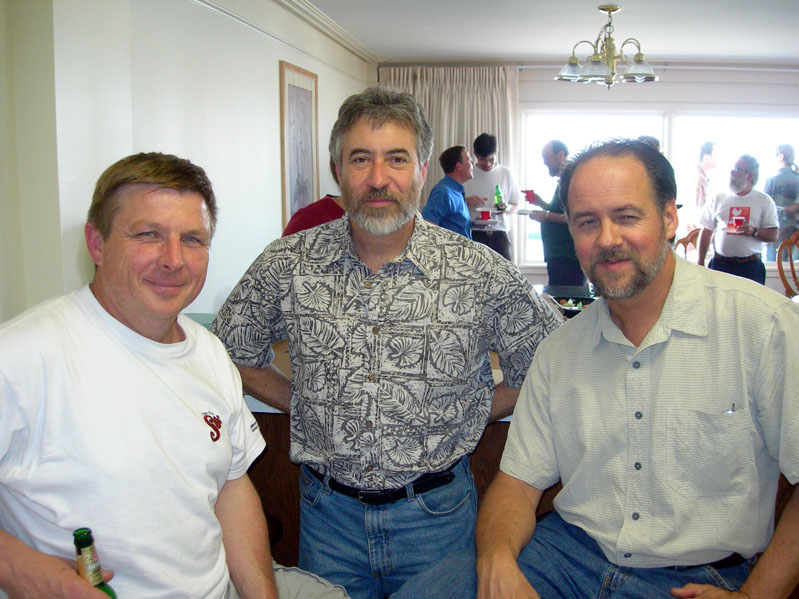
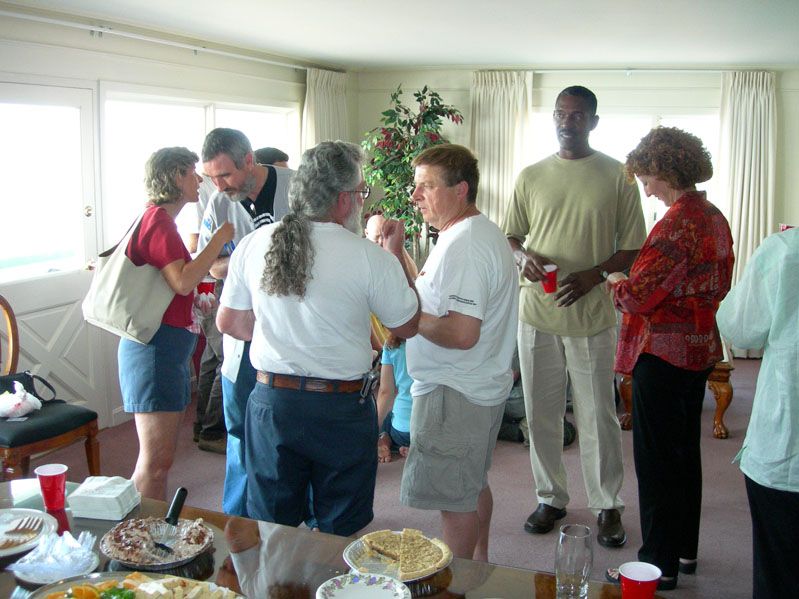
The AAW usually sponsors a Dutch treat dinner on the last day of the symposium, but I attended a party hosted by Jan Peters of del Mano Gallery. Jan was assigned one of the hotel's apartments - an opportunity too good to waste. Thus, a party for artists and collectors ensued, which was a lot of fun. Harvey and Fiona Fein provided pizza, Pat Kramer and Jacques Vesery ordered beer, Eileen Duffy provided an appetizer tray, and the rest of us brought whatever libations we had to contribute to the well being of the attendees.
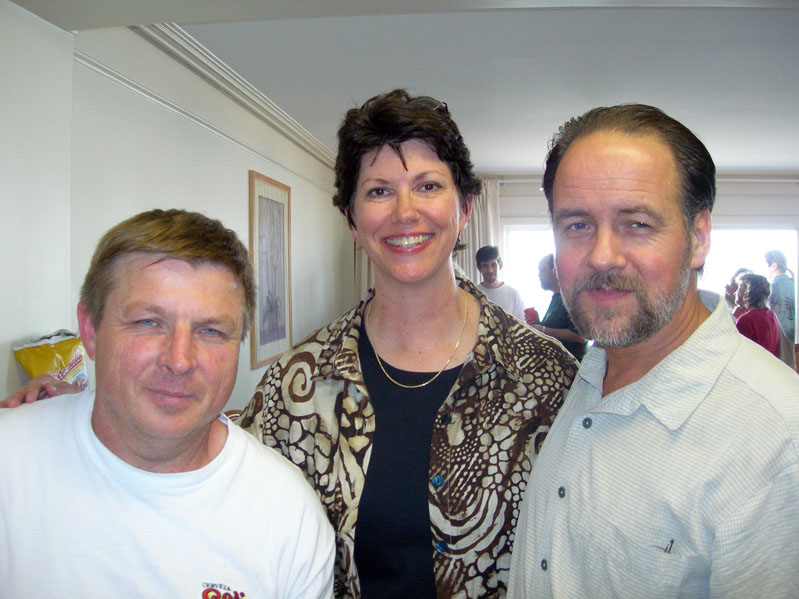
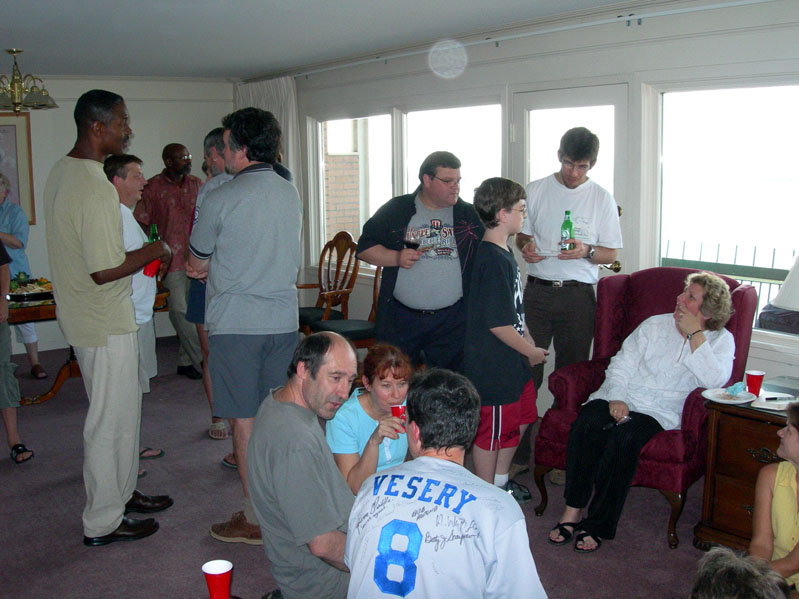

Here's the view from Jan's apartment - a nice balcony overlooking the river. Pretty swank, eh?


J. Paul Fennell chatting with Fiona. In the kitchen background (L to R): Nick Arnull, Pascal Oudet, and Gorst duPleissis.


L to R: a turner from Japan (I briefly met him on Sunday morning, but can't recall his name), Christophe Nancey, Neil Scobie and Harvey Fein.


L to R: Andi Wolfe, Jan Peters, Christophe Nancey.


L to R: Three Mikes in a row: Mike Hosaluk, Mike Jackofsky, Michael Mocho.


L to R: J. Paul Fennell, Judy Chernoff and Jeff Bernstein, Matthew's parents (the boy I helped in the youth program the previous day), and Hans Weissflog.


A Michael sandwich. L to R: Michael Hosaluk, Andi Wolfe, Michael Mocho.


Jan Peters holding court in the living room.


More friends.


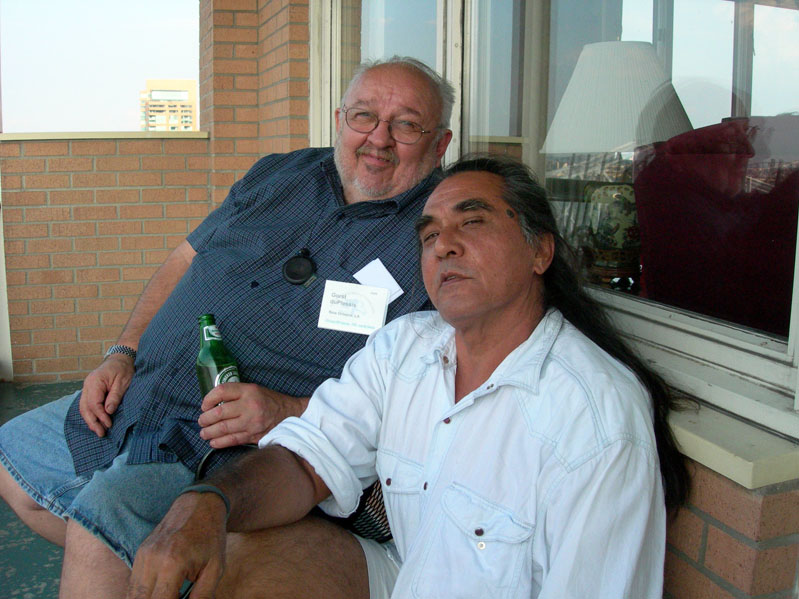
Gorst duPleissis and Pat Kramer on the balcony.


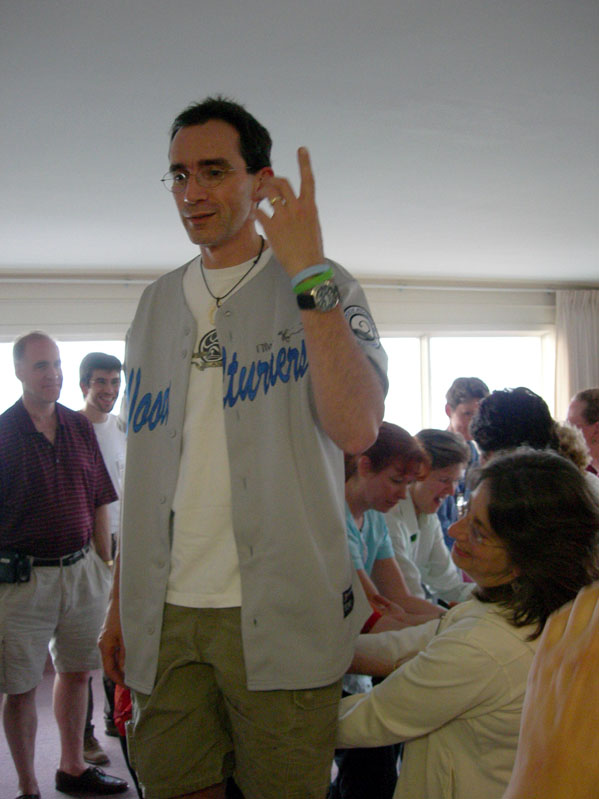
The beginning of the stupid people tricks. Minda Vesery organized a series of activities that should show up on some home videos series that feature such types of games. Here is Jacques Vesery putting his trust in a bunch of ladies. That's Minda in the lower right saying, "Come on, Jacques, trust us!"

Jacques seems to be saying, "I have only one life to live. . ."


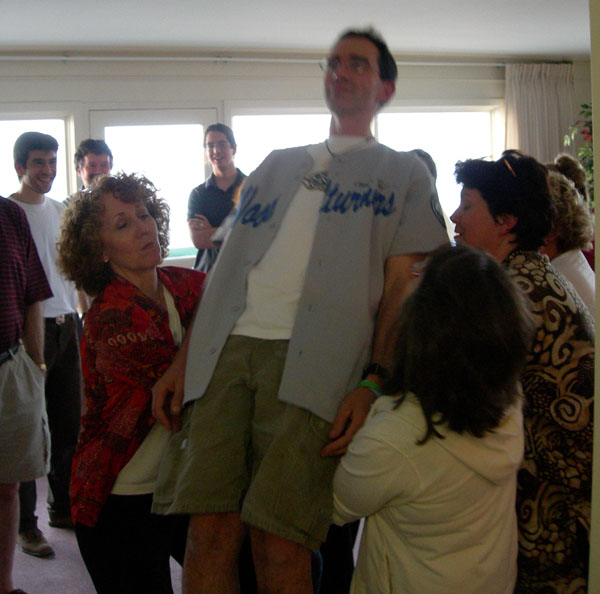
Going, going . . .


Gone. Jacques wanted to know who was pinching his buns.


He had a grin on his face, so it must of been good . . .


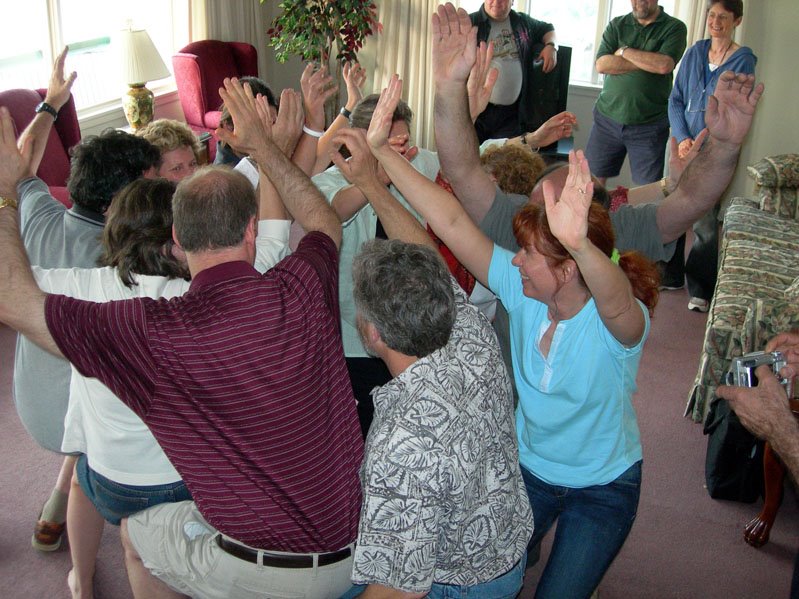
I'm not sure what this one was about, but everyone was sitting on their neighbor's knee.


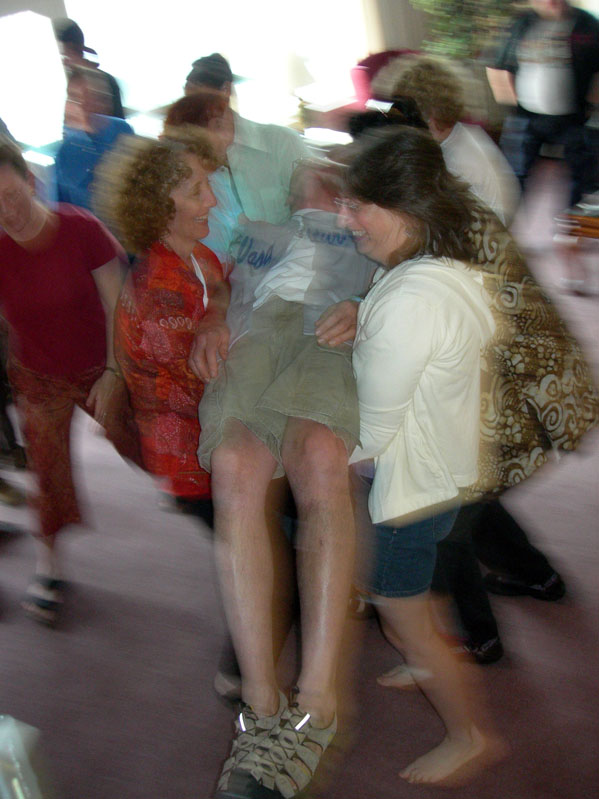
Sharon Doughtie at the front of the line about to be picked up and passed to the back of the line. I have a video of this, but can't figure out how to post it as of yet.


Taking a breather out on the balcony to recover from the stupid people tricks.


What is Minda doing to Pat's hair????


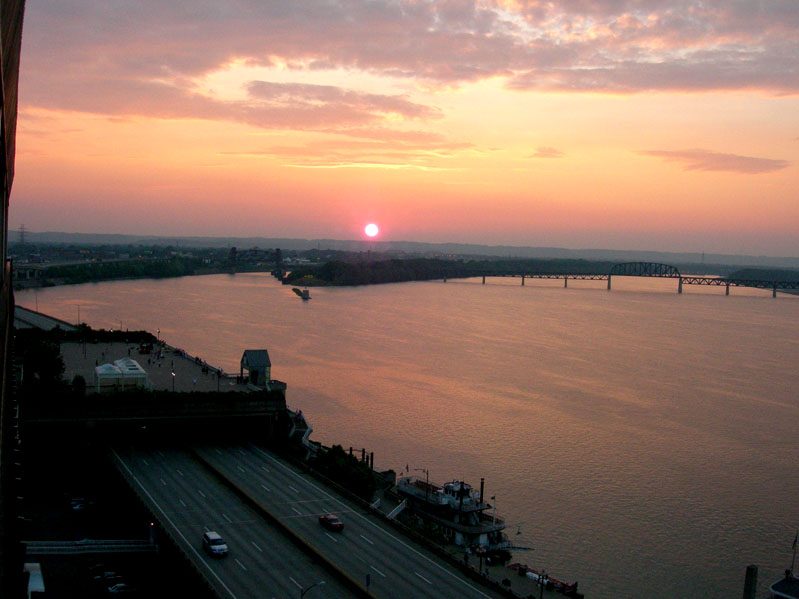
A lovely sunset to end the day, the AAW symposium, and a nice evening with friends.

Thanks Jan, Harvey, Fiona, Pat, Jacques and Eileen for the refreshments. Thanks to everyone else for a wonderful evening.


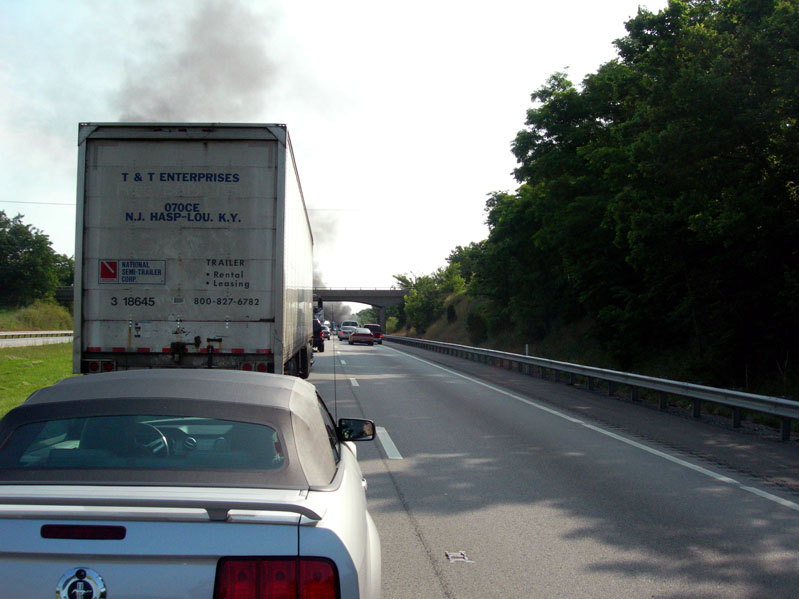
Ok, one last picture that I snapped on the way home from the symposium. I drove home on Sunday morning and made it about 30 miles north of Louisville when the traffic on I-71 came to a screeching halt. At least I was near the front of this traffic jam, which must have been miles long by the time we started rolling again. I'm not sure what happened, but you can see the smoke up to the right. It was a car with a trailer that had caught on fire. It took about 30 minutes to get a lane cleared.

I'm sure glad to be home for a day before having to head out on another trip.